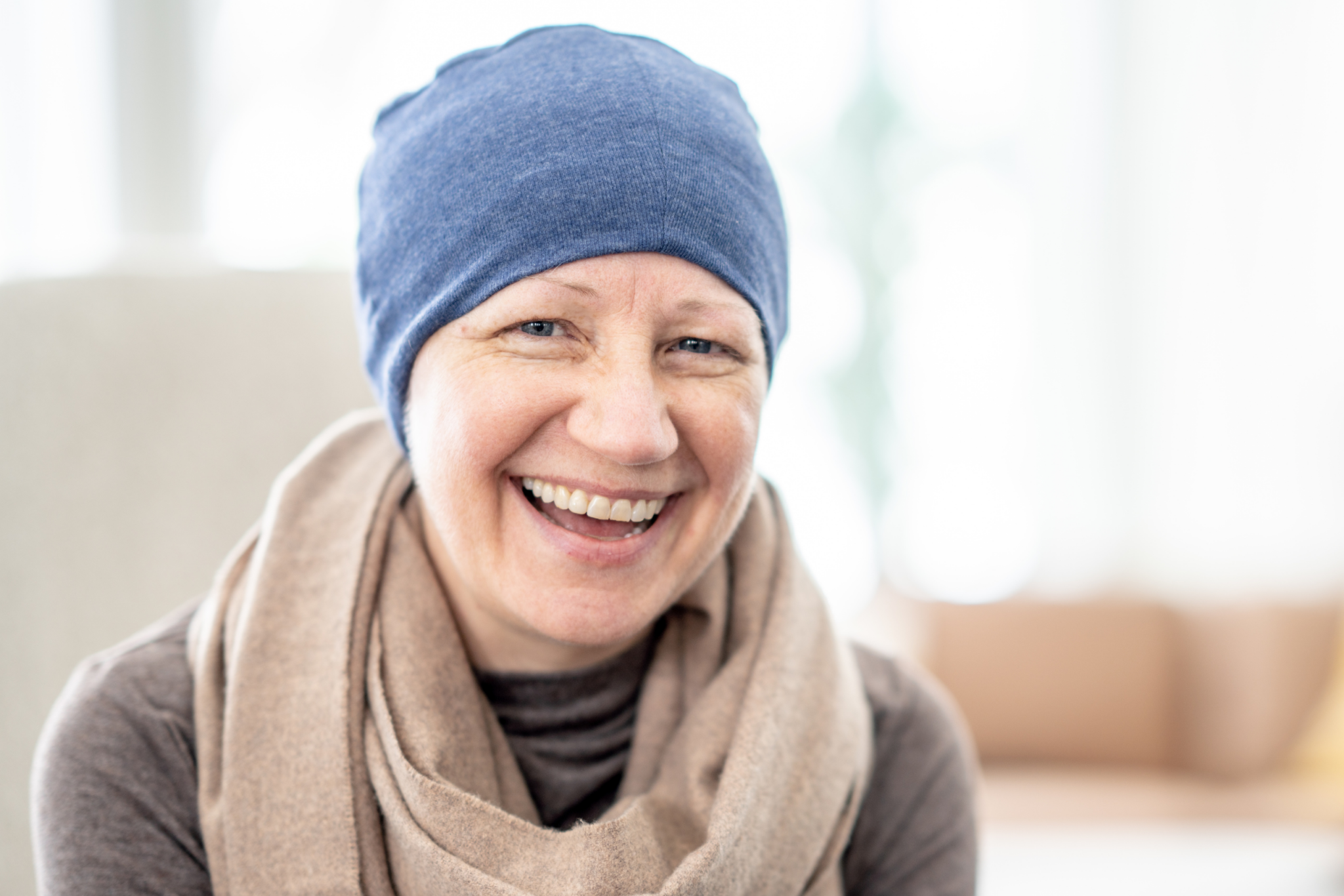
Oncology Massage
Gentle care, tailored to you
Living with cancer can bring changes to how you feel physically and emotionally. Oncology massage offers time to pause, feel supported and focus on your comfort.
At Body Unity in Hemel Hempstead, each session is adapted around your medical history, cancer treatment and how you feel on the day. Gentle massage may help you relax, ease muscular tension and feel more at ease.
Whether you are receiving treatment or living beyond cancer, we begin by understanding your needs and checking whether massage is appropriate for you.
There is no pressure to talk, explain how you feel or make the most of every moment.
A little time for you
This is your space.
Is oncology massage right for me?
Oncology massage is adapted specifically for people affected by cancer. The pressure, positioning, areas treated and length of hands-on work are adjusted to your circumstances.
If you are unsure which appointment to choose, contact Body Unity before booking. We can discuss your needs and explain the next step.
Please speak with your cancer doctor or specialist nurse before arranging massage, particularly during active treatment.
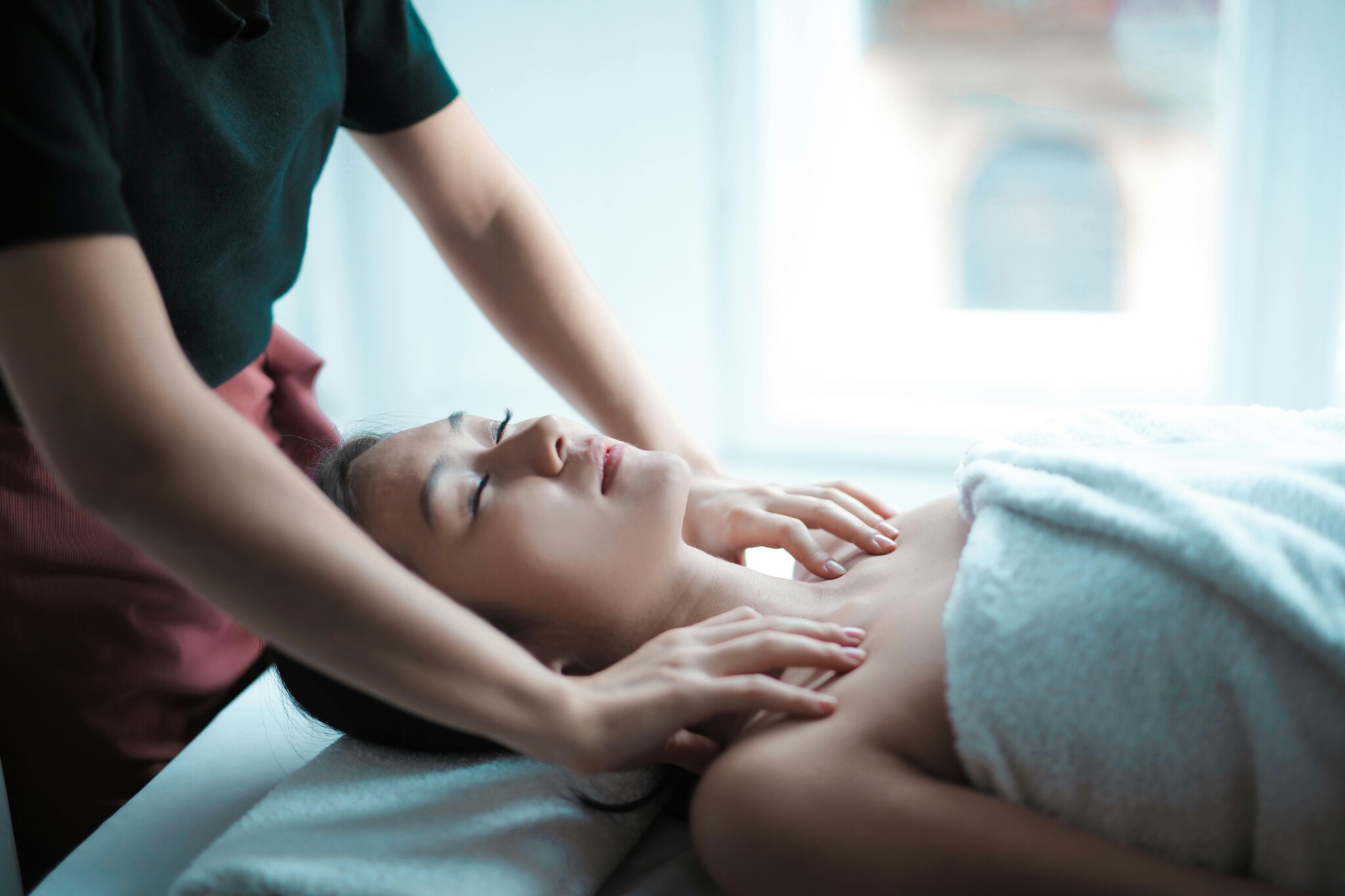
Massage adapted around your cancer care
Your needs may change during and after cancer treatment. Before each session, we check how you are feeling and whether anything has changed since your last visit.
We consider your treatment, recent surgery, skin sensitivity, energy levels and any precautions advised by your healthcare team. This helps us decide how to adapt the massage, or whether to postpone it.
Oncology massage is a complementary therapy. It does not treat cancer or replace medical care.
What to expect at your oncology massage appointment
Your appointment begins with a conversation about your health, current treatment and what you would like from the session.
You can tell us what feels comfortable, which areas you would prefer us to avoid and whether you would like quiet time or conversation. Together, we agree an approach that suits you.
We explain the proposed massage before starting and check in throughout. You can ask for a change, take a break or stop at any time.
1. A personal consultation
We discuss your diagnosis, treatment, medication and any guidance from your healthcare team. There is also time to ask questions and tell us what matters most to you.
2. Comfortable positioning
We help you find a comfortable position and adjust your support as needed. You do not have to lie in a position that feels difficult or uncomfortable.
3. Gentle, adapted massage
Oncology massage uses a gentle approach rather than vigorous, deep tissue techniques. Pressure is adjusted to your comfort and medical circumstances.
4. Carefully chosen treatment areas
Your therapist identifies areas that need to be avoided or approached differently, including sensitive skin, healing wounds, treatment sites and medical devices.
5. A pace that suits you
Hands-on massage can be shortened or paused to suit your energy levels. Your appointment is guided by how you feel, rather than a fixed routine.
6. Ongoing comfort checks
We check that the pressure, positioning and touch remain comfortable. Your feedback helps us adjust the session as we go.
Oncology massage: frequently asked questions
You may have questions about massage during or after cancer treatment. We are happy to discuss your circumstances before you book.
Gentle massage may support relaxation, ease muscular tension and provide a sense of comfort. Some people find it offers a welcome pause from the demands of treatment.
Experiences vary, and benefits cannot be guaranteed.
Sometimes, but suitability depends on your treatment and current health. Speak with your cancer doctor or specialist nurse first.
Your therapist will review any precautions and adapt or postpone massage where necessary.
Contact us directly to discuss an appointment. Depending on your circumstances, we may need advice from your cancer care team before proceeding.
No. Oncology massage takes account of cancer and its treatments, using gentler pressure and individual adaptations.
Deep tissue massage may be unsuitable for someone receiving cancer treatment.
It may be. Surgery and treatment can leave ongoing changes that still need consideration, even after treatment has finished.
Tell your therapist about your cancer history so the session can be adapted appropriately.
Oncology massage is different from manual lymphatic drainage. If you have swelling or lymphoedema, speak with your healthcare team about specialist assessment and care or book a lymphatic drainage appointment.
Meet your oncology massage therapist
Knowing who will be looking after you can make booking feel easier. Find out about your therapist’s approach and oncology massage training below.